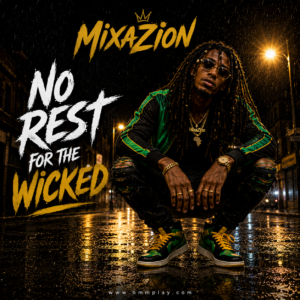
 No Rest for the Wicked
Bmmplay creator tools
Log in or create an account to use this creator tool.
Join the conversation
Your reaction is ready. Log in and you will return to this page to add it.
Are you sure you want to close this music player?
This image credit link opens a website outside BMMPlay. Review the destination before continuing.
Destination:
Make the Meeting Reachable Before You Ask the Community to Participate
Community safety
Make the Meeting Reachable Before You Ask the Community to Participate
Make the Meeting Reachable Before You Ask the Community to Participate
A public meeting cannot gather community knowledge if people have to fight the format before they can join the conversation. Accessibility is more than a ramp at the door or captions switched on after a request. It includes how the event is announced, how accommodations are requested, how the room and digital platform work, how speakers communicate, and how participants contribute.
Legal duties vary with the organization and setting, so planners should obtain qualified guidance for their event. The broader planning principle is stable: build access into the ordinary workflow, consult people about what is effective for them, and test the experience before asking the public to trust it.
Invite people with disabilities and local access organizations into the planning process before the format is fixed. Consultation can reveal barriers that a generic checklist misses, such as a stage without a reachable microphone, an interpreter placed behind speakers, fluorescent lighting that makes reading difficult, or a virtual platform that blocks keyboard users. Do not make one participant responsible for representing every disability or solving the entire event.
Budget for access from the beginning. Captioning, interpreting, accessible document preparation, alternate formats, transportation support, and a suitable venue are program costs, not unexpected extras caused by an attendee. Early budgeting also gives organizers time to compare qualified services and avoids placing a person in the position of defending why meaningful participation costs money.
Put useful access information in the invitation
Publish the date, start and end times, physical address, transit and parking information, virtual joining method, meeting format, participation rules, and accessibility contact in an accessible web page or email. Avoid making a graphical flyer the only source. If registration is required, test it with a keyboard and screen reader and offer another route when the form creates a barrier.
Describe the venue and available services with concrete language. Note step-free entrances, elevators, accessible restrooms, seating options, captioning, interpreters, assistive listening, and remote access only when confirmed. Include a way to request accommodations and respond promptly. The Justice Department explains that covered entities should consider the nature and complexity of communication and the individual’s usual method.
Do not ask people to publish disability details in a general inbox or group form. Collect only what is needed to arrange access, limit who sees it, and explain how the request will be handled. A deadline may be necessary for some services, but planners should still address walk-in requests as effectively as possible.
Choose and test the whole venue
Walk the path from arrival to departure. Check transportation drop-off, curb cuts, doors, thresholds, elevators, hallways, registration tables, seating, microphones, restrooms, exits, and the route to refreshments. An accessible room inside an inaccessible building does not solve the problem. Keep aisles and wheelchair spaces available rather than filling them with spare chairs or equipment.
For hybrid meetings, test the platform with keyboard navigation, screen readers, captions, chat, raised-hand controls, and phone access. Section508.gov recommends accessible invitations, advance materials, clear audio, verbal descriptions of visual content, and a practice run for hosts and support staff. A laptop at the back of the room is not a hybrid plan unless remote participants can hear, follow, and contribute.
Prepare accessible versions of slides, agendas, and handouts before the meeting. Use readable structure, plain language, meaningful links, sufficient contrast, and text alternatives for informative images. Send materials early when possible so participants can use their preferred technology instead of trying to decode a projected slide in real time.
Run the discussion in more than one mode
Use microphones for every speaker, including questions from the floor. Ask people to identify themselves, speak one at a time, and avoid side conversations. Presenters should describe charts, photographs, gestures, and other meaningful visuals. When a question arrives in chat, read it aloud; when a question is spoken, make sure remote participants receive it too.
Offer multiple ways to participate: spoken comment, accessible online form, chat, written card, or follow-up message. Do not let a rapid microphone line become the only measure of public opinion. Publish clear time limits and facilitation rules in advance, then apply them consistently without penalizing a person for using an interpreter or communication aid.
Assign an access lead who can monitor captions, interpreter visibility, microphones, room paths, and remote questions while the chair focuses on the agenda. Give that person authority to pause the meeting when access fails. Quietly continuing while part of the audience loses the discussion protects the schedule at the expense of participation.
Close the loop after the meeting
Tell participants what will happen with comments, when notes or decisions will appear, and where corrections can be sent. If a recording is published, add accurate captions and any other needed accessible features rather than treating the raw meeting feed as finished public information.
Ask a short, accessible feedback question about barriers before, during, and after the event. Section508.gov recommends gathering feedback and debriefing presenters and participants. Record fixes in a shared checklist so the next meeting begins with institutional memory instead of another round of improvisation.
The CDC describes disability inclusion as a matter of accessible programs, policies, and practices, not a one-time courtesy. That is a useful standard for any neighborhood association, nonprofit, business, or public body. When access is designed into the invitation, venue, technology, facilitation, and follow-up, more residents can spend their energy on the issue the meeting was created to address.