Introduction
 ͞ ͞ ͞ ͞ ͞ ͞ ͞ ͞ ͞ ͞ ͞ ͞
 ConditionalBranch+ by mjshi is completely rewritten from scratch.
 and make conditional checks easier to use, and far easier to extend.

 The parameter "Name Check" defaults to "GameCheck", used as GameCheck.has(...).
 If it conflicts with another global name, rename it for safety.

 The usages is to use "1" type of check as follows:

 GameCheck.has(type, ids, options = {})
   → type: "item" | "weapon" | "armor" | "var" | "variable" | "sw" | "switch" | "gold".
   → ids: single ID or array of IDs (for switches, items, variables).
   → options: object with type-specific checks.

 Examples:
 GameCheck.has("item", [1, 2, 3]);                  =>  has all items 1,2,3
 GameCheck.has("item", [1, 2, 3], {any: true});     =>  has any of 1,2,3
 GameCheck.has("var", [5], {equal: 10});            =>  variable 5 == 10
 GameCheck.has("var", [5, 6], {greater: 50});       =>  vars ≥ 50
 GameCheck.has("switch", [7], {state: true});       =>  switch 7 is ON
 GameCheck.has("gold", 0, {min: 1000});             =>  ≥ 1000 gold


 Item, Weapon, Armor
 ͞ ͞ ͞ ͞ ͞ ͞ ͞ ͞ ͞ ͞ ͞ ͞ ͞ ͞ ͞ ͞ ͞ ͞ ͞
 Items has 3 kind of types, "item", "weapon" and "armor".
 default for boolean "any" is true, equipped is false.

 any: boolean             =>  true = passes if any item matches, false = all must match
 more: number             =>  must have ≥ this many of each item
 less: number             =>  must have ≤ this many of each item
 between: [min,max]       =>  must have between min and max of each item
 equipped: boolean        =>  true = must be equipped, false = must NOT be equipped

 Examples:
 GameCheck.has("item", [1,2,3]);                     =>  has all items 1,2,3
 GameCheck.has("weapon", [5], {equipped: true});     =>  weapon 5 equipped
 GameCheck.has("armor", [2,3], {more: 2});           =>  at least 2 of armor 2 & 3
 GameCheck.has("item", [1,2], {between: [1,3]});     =>  between 1 and 3 of items 1 & 2


 Variables
 ͞ ͞ ͞ ͞ ͞ ͞ ͞ ͞ ͞ ͞
 To check variables, you can use "var" or "variable", default booleans are true.
 The following objects are available:

 equal: number|string|array     =>  variable must equal this (or any in array)
 not: number|string|array       =>  variable must NOT equal this (or any in array)
 greater: number                =>  variable ≥ this
 less: number                   =>  variable ≤ this
 between: [min, max]            =>  variable between min and max inclusive
 range: [startId, endId]        =>  dynamically check variables from startId ~ endId inclusive
 any: boolean                   =>  true = passes if any variable matches, false = all must match

 Examples:
 GameCheck.has("var", [5,6], {equal: [10,12]});            =>  variable 5 or 6 = 10 or 12
 GameCheck.has("var", [6], {equal: ["opt","dir"]});        =>  variable 6 = "opt" or "dir"
 GameCheck.has("var", [5,6], {greater: 50, any: false});   =>  both variables ≥ 50
 GameCheck.has("var", [], {range: [3,6], equal: 5});       =>  variables 3,4,5,6 equal 5
 GameCheck.has("var", [5], {between: [4,10]});             =>  variable 5 between 4 and 10


 Switches
 ͞ ͞ ͞ ͞ ͞ ͞ ͞ ͞
 Switch checks are used by "sw" or "switch".
 Default booleans are true.

 state: boolean              =>  true = ON, false = OFF
 any: boolean                =>  true = passes if any switch matches, false = all must match
 range: [startId,endId]      =>  check range of switches from startId ~ endId inclusive

 Examples:
 GameCheck.has("switch", [4,5], {state: true});                        => switches 4 & 5 ON
 GameCheck.has("switch", [], {range: [3,6], state: false, any: true}); => any of switches 3~6 OFF


 Gold
 ͞ ͞ ͞ ͞
 min: number               =>  must have ≥ this amount
 max: number               =>  must have ≤ this amount
 between: [min,max]        =>  must have gold ≥ min AND ≤ max

 Examples:
 GameCheck.has("gold", 500);                       =>  ≥ 500 gold
 GameCheck.has("gold", 0, {min: 100});             =>  ≥ 100 gold
 GameCheck.has("gold", 0, {max: 100});             =>  ≤ 100 gold
 GameCheck.has("gold", 0, {between: [300,600]});   =>  gold between 300 & 600




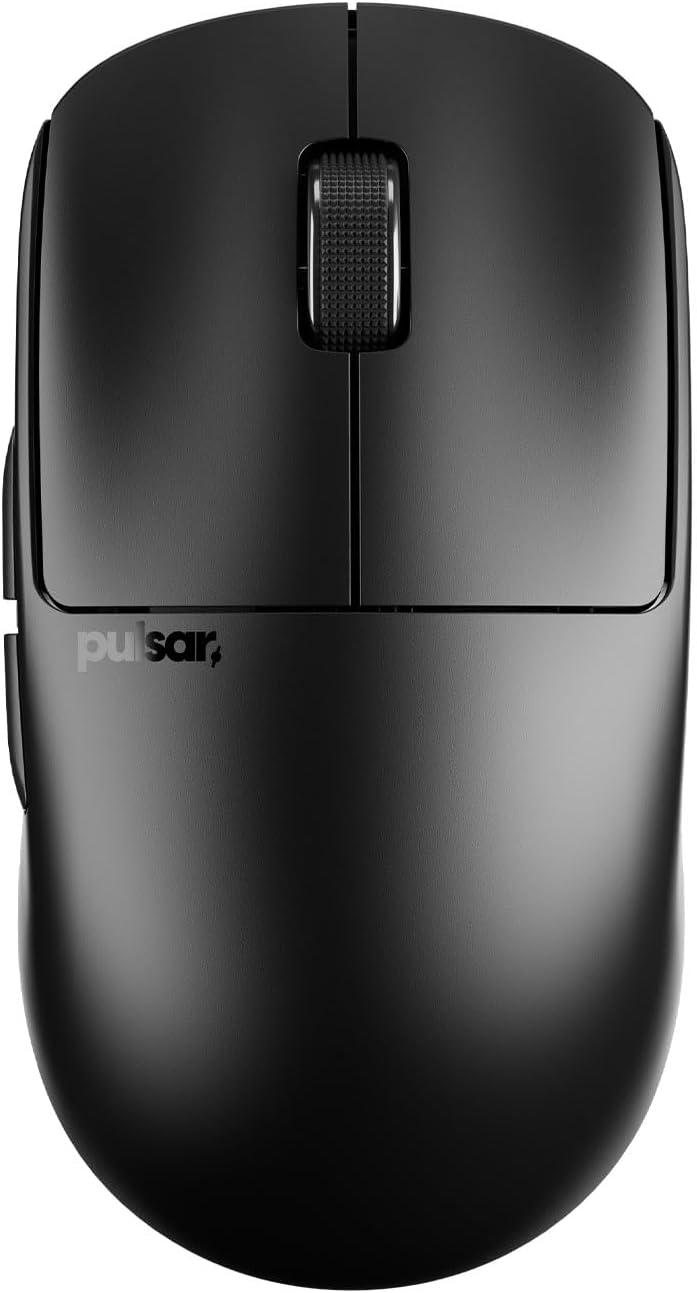 Pulsar X2 Crazylight Wireless Gaming Mouse
Ultra-light wireless gaming mouse for quick aim, claw grip, and fingertip control.
View on Amazon
Pulsar X2 Crazylight Wireless Gaming Mouse
Ultra-light wireless gaming mouse for quick aim, claw grip, and fingertip control.
View on Amazon